Microsoft Build Conference: A Key Moment for AI Innovation Amidst Competitive Advances
Microsoft's Build developer conference kicks off this week, presenting a prime opportunity for the tech giant to unveil its latest advancements in artificial intelligence (AI), following recent showcases by OpenAI and Google.
One area where Microsoft holds a clear advantage in the AI race is its ownership of Windows, which boasts a vast user base across PCs worldwide.
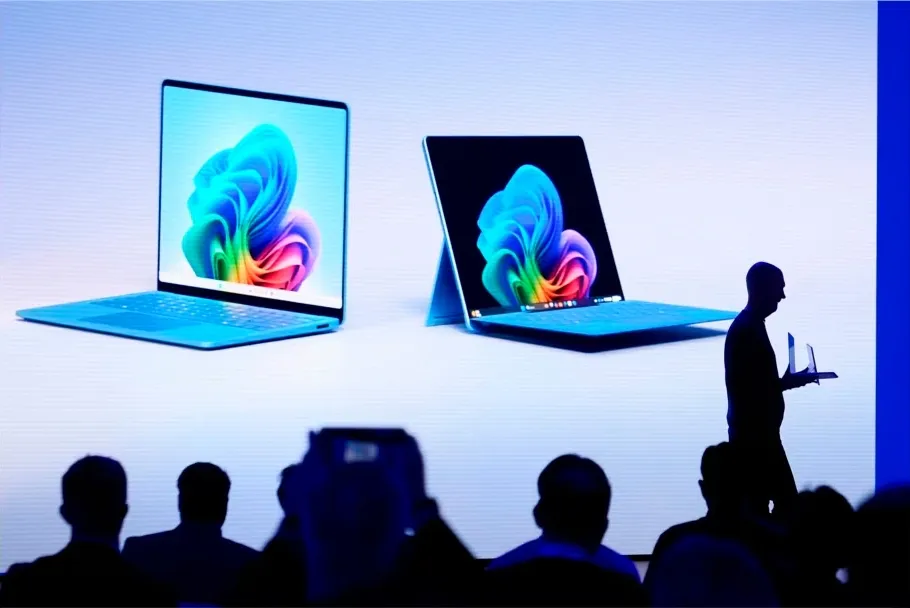
- CEO Satya Nadella stated that 2024 will see AI become a central feature of every PC.
- AI is already integrated into Microsoft's Copilot chatbot in Bing and Office.
- Deeper AI integration into Windows will be a key focus at the Build conference.
- Build follows Google I/O, where Google introduced its most potent AI model and outlined plans for Gemini AI across computers and phones.
- OpenAI previously launched the GPT-4o model, which powers Microsoft's Copilot technology, highlighting their strategic partnership.
- Microsoft faces the challenge of maintaining AI leadership while revitalizing stagnated PC sales.
Recent analyst notes, such as one from Morgan Stanley on Dell, show optimism for PC market recovery due to strong customer feedback and increased notebook builds.
Gartner data reflects a slight uptick in PC shipments, aligning with Microsoft CFO Amy Hood's remarks on improved demand.
Microsoft's new AI tools could incentivize both enterprise and consumer upgrades, potentially boosting revenue per device and enhancing Windows' stickiness.
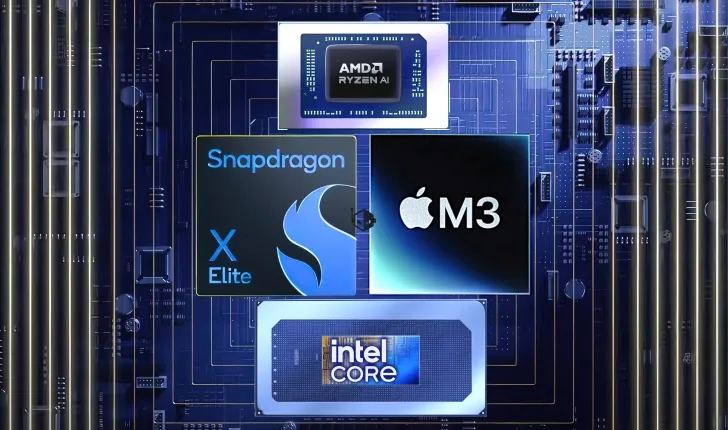
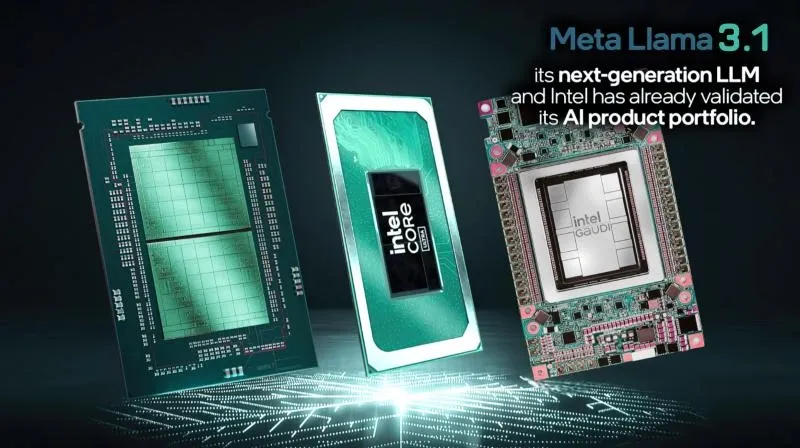
While Microsoft will handle internet-based AI tasks, its PCs will rely on chips from AMD, Intel, and Qualcomm for offline AI jobs, enhancing capabilities such as voice-controlled transcription and more.
What defines an AI PC? It's the addition of a neural processing unit (NPU), surpassing traditional CPUs with specialized AI capabilities, akin to Apple's use in improving multimedia and voice recognition.
Intel's Lunar Lake chips with NPUs are slated for late 2024, while Qualcomm's Snapdragon X Elite with NPU support arrives mid-year. AMD's latest Ryzen Pro is expected soon.
Microsoft's session on "Next Generation of Windows on Arm" will delve into how Windows runs on Qualcomm chips, contrasting with Intel and AMD variants.
Qualcomm's Arm-based chips, noted for extended battery life and sleek designs, initially faced limitations but have since evolved to support traditional Windows apps.
As Microsoft continues to innovate, the path forward for AI-driven PCs looks poised for substantial growth and evolution in the tech landscape.