
2025 was not a “hype” year, it was a year where companies finally put visible, tangible innovations into the public eye.
Below is a clear, direct rundown of the highest-impact tech milestones across the U.S., China, and Canada, with real companies, real products, and why they mattered.
AI, Robotics, and Next-Generation Computing
NVIDIA – Project GR00T & Autonomous General-Purpose Robots
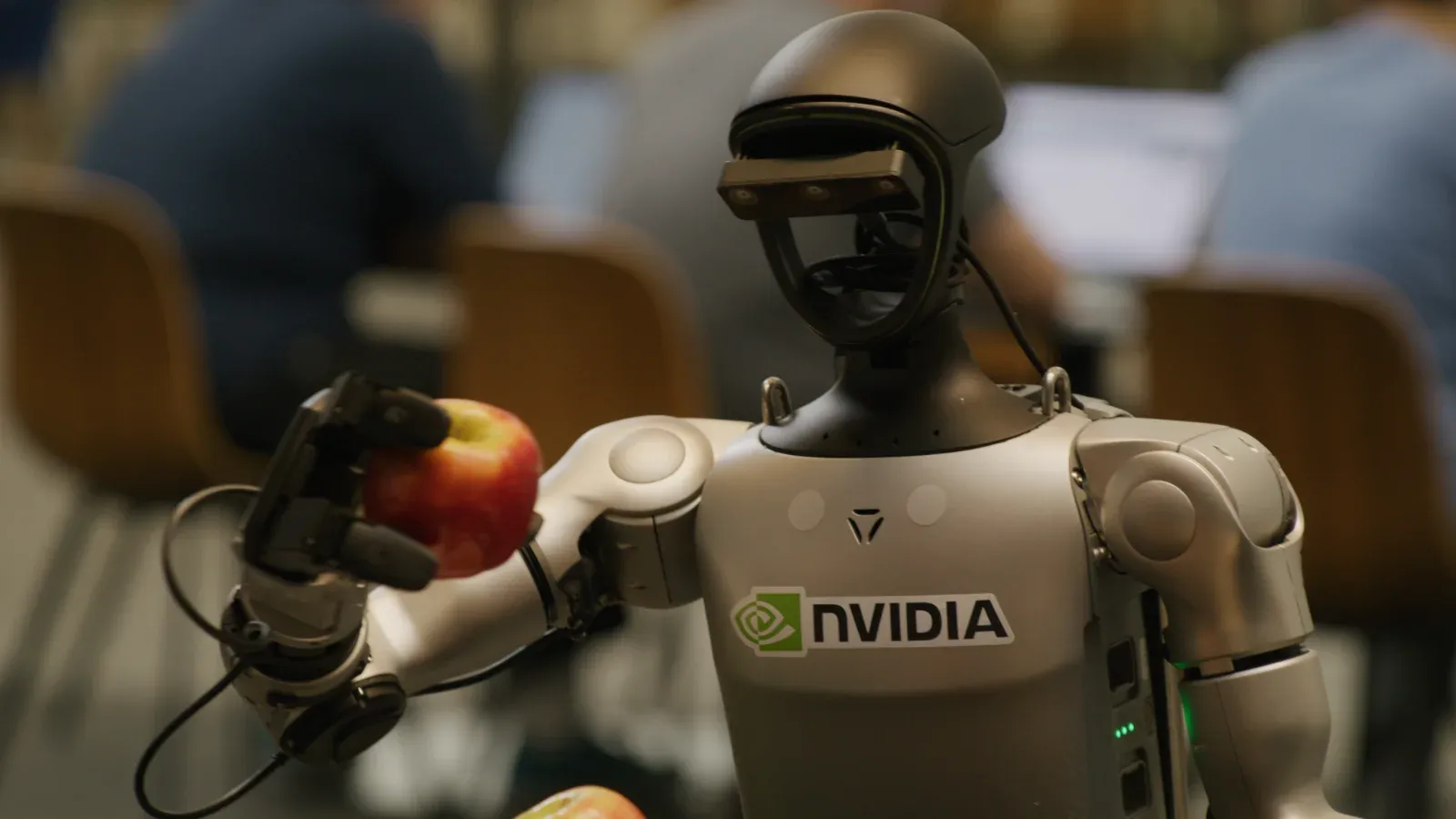
In 2025, NVIDIA revealed major progress on GR00T, its generalist robotics foundation model, and showcased humanoid and mobile robots using the platform.
These robots learned tasks via simulation, video demonstrations, and real-world fine-tuning.
Why it mattered: It was the first time a major chipmaker demonstrated robots performing multi-domain tasks with a single model pipeline — marking the beginning of scalable “universal robot brains.”
OpenAI – Sora (Widescale Public Expansion)
OpenAI’s text-to-video model Sora reached full consumer-level rollout in 2025, moving from limited research access to creative studios, advertisers, and independent creators.
Why it mattered: It kicked off the first wave of AI-native production studios and crushed video-production timelines from weeks to minutes.
Tesla – Optimus Gen 3 Progress
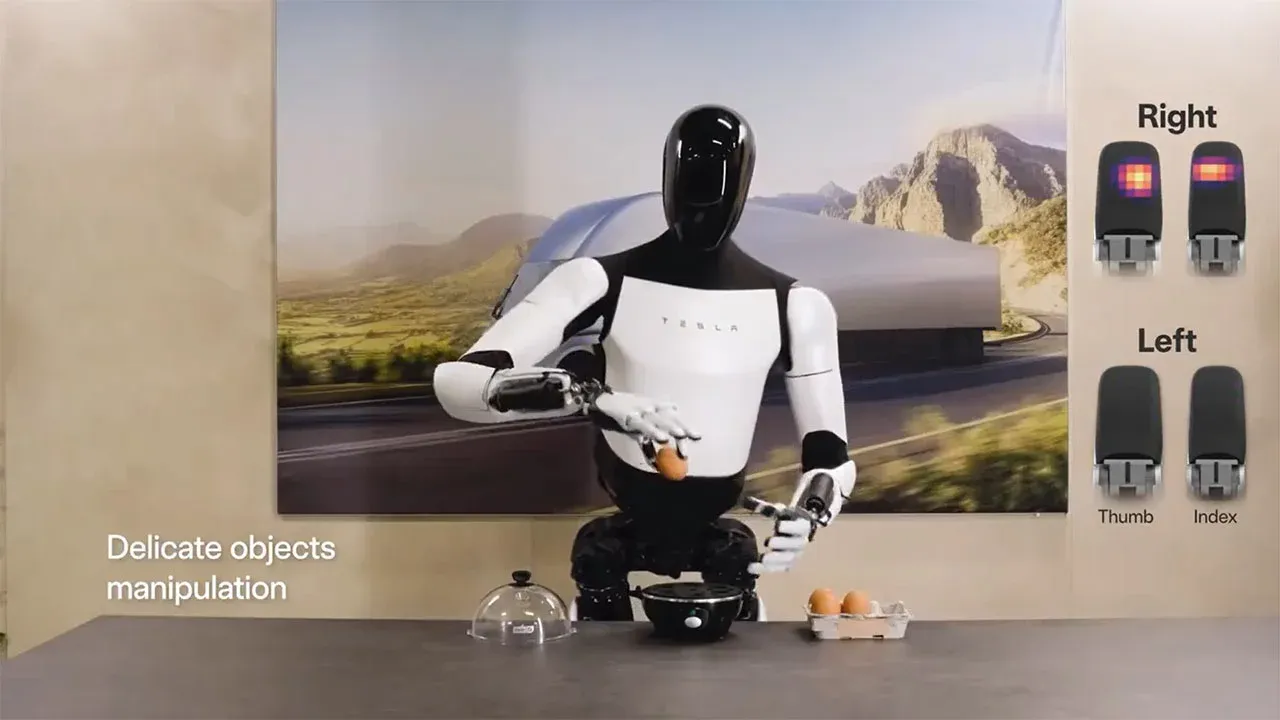
Tesla spent 2025 demonstrating increasingly stable versions of Optimus, its humanoid robot, including fine manipulation tasks (picking, folding, sorting).
Why it mattered: Tesla positioned the robot not as a demo but as a future labor-force product integrated into factories, signaling a real industrial use case, not sci-fi showmanship.
AMD – Next-Gen Instinct AI Accelerators
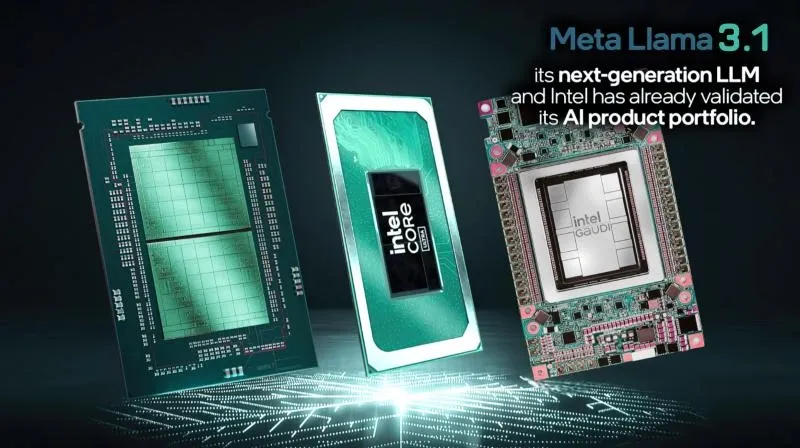
AMD released its updated MI350 and MI400 series accelerators, pushing power efficiency and training cost reductions for large AI models.
Why it mattered: It was the first time NVIDIA faced real performance-per-watt competition at data-center scale.
Quantum, EV Tech, and Robotics
Huawei – Pushing AI Chips and Cloud Expansion
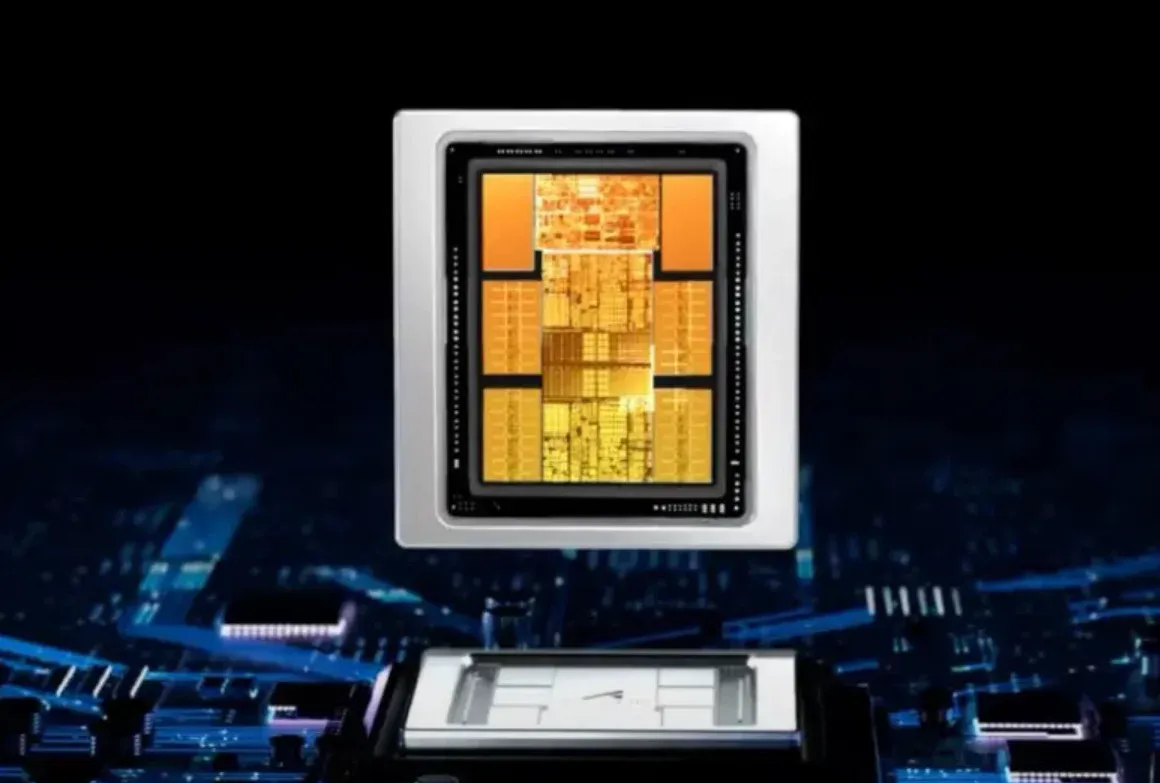
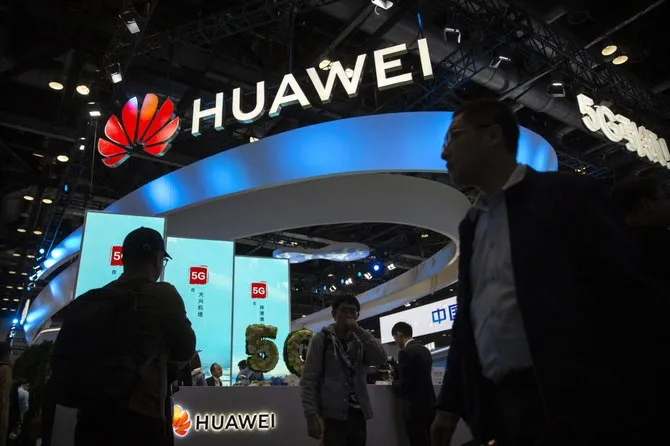
Huawei’s Ascend AI chips and cloud platforms expanded aggressively in 2025, becoming the backbone of many Chinese generative-AI deployments.
Why it mattered: China achieved more independence from foreign GPUs and increased domestic AI manufacturing capability.
XPeng & Huawei – ADAS and City-Level Autonomous Driving
Automakers like XPeng, NIO, and Huawei’s automotive partners rolled out next-gen autonomous driving for complex urban routes.
Why it mattered: China became the first large market where citywide consumer-level autonomous driving was not a beta program but a mainstream subscription option.
DJI – Next-Gen Enterprise Drones
DJI released advanced industrial drones with thermal imaging, AI inspection modules, and automated fleet operations.
Why it mattered: They changed how agriculture, energy, and construction inspections were performed, cutting costs and improving safety.
Baidu & Alibaba Cloud – Large AI Models for Industry
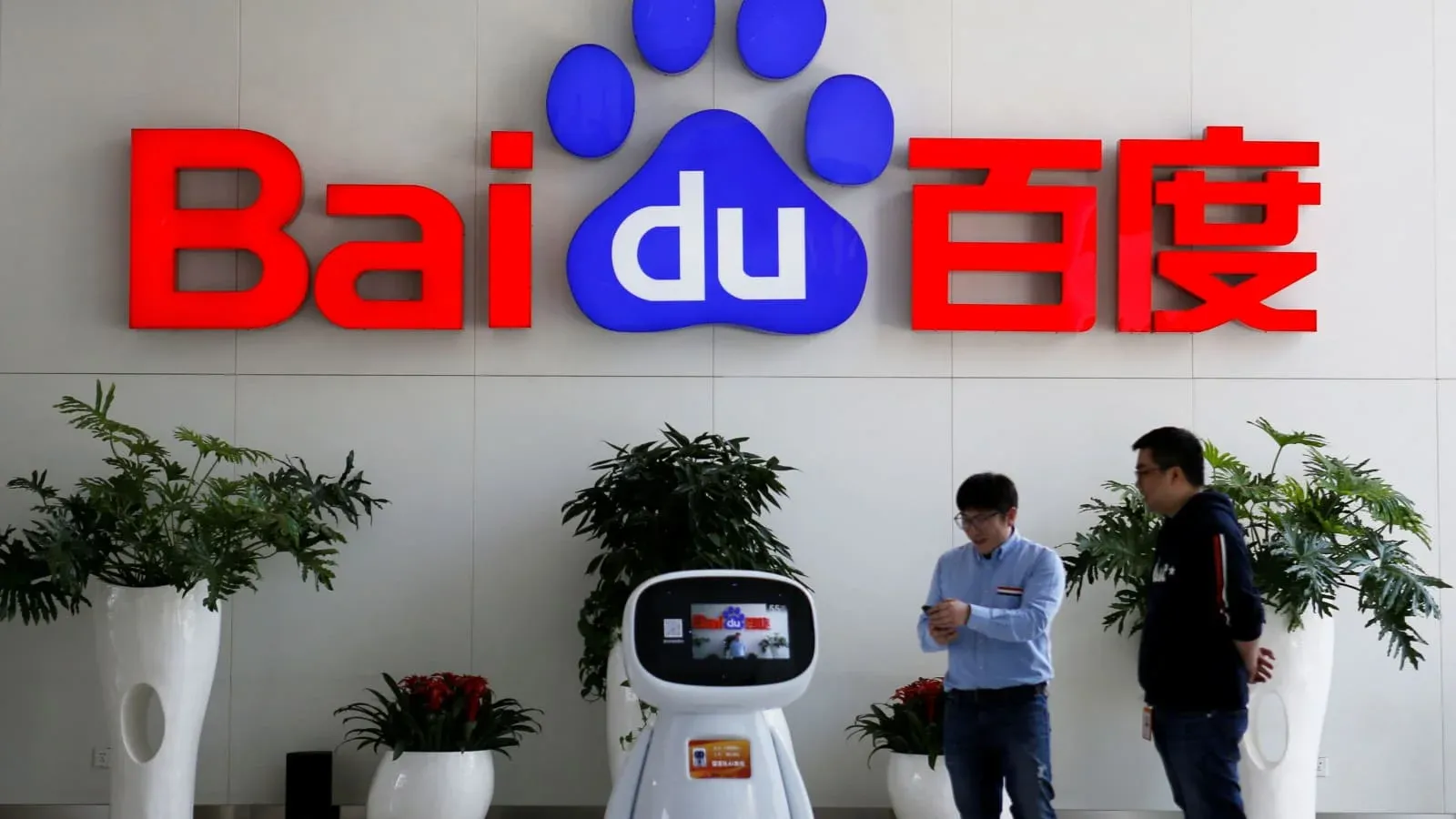
Chinese tech giants deployed multimodal AI models into finance, manufacturing, logistics, and customer-service automation.
Why it mattered: These weren’t demos — they were embedded into national-scale workflows, affecting tens of millions of users.
Batteries, Quantum, and Clean-Tech Scale-Up
Northvolt & Canadian Partners – Battery Mega-Factories
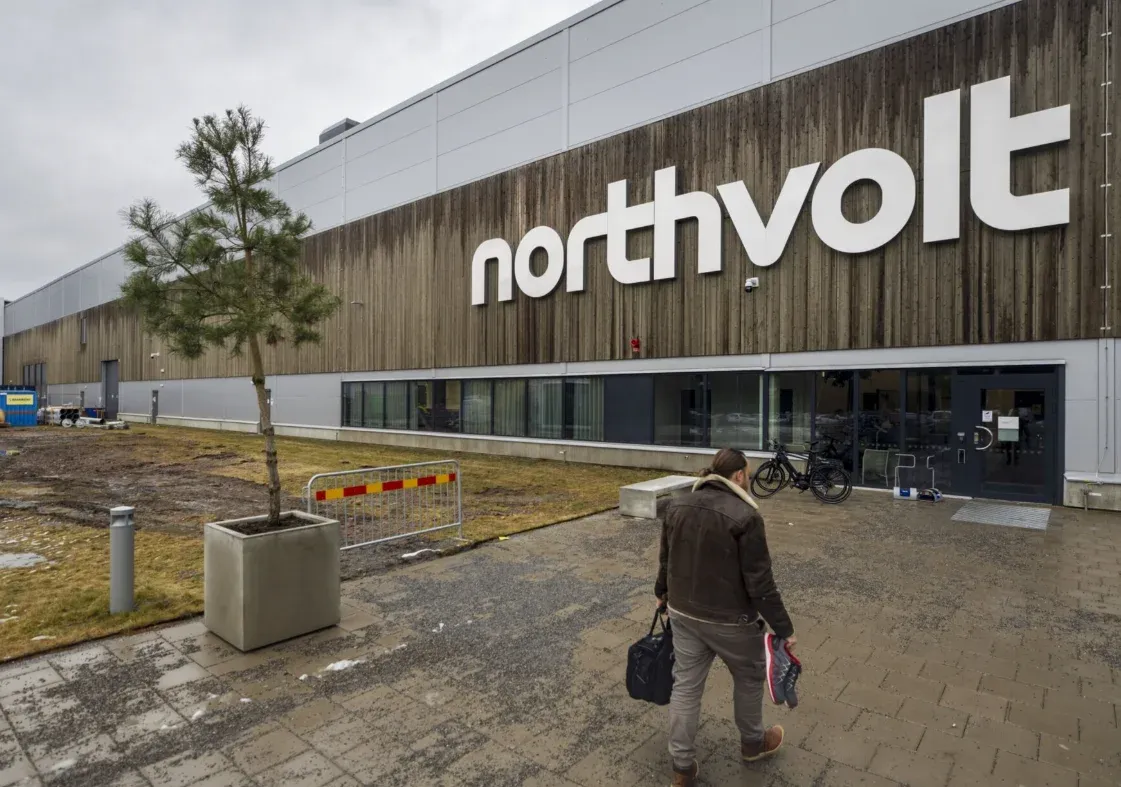
Canada’s battery ecosystem accelerated hard in 2025, with Northvolt and multiple Canadian-backed ventures building large-scale manufacturing plants for EV and grid storage cells.
Why it mattered: It positioned Canada as a North American hub for mineral-to-battery supply chains, reducing reliance on overseas manufacturing.
D-Wave – Quantum Annealing Breakthroughs
D-Wave continued delivering quantum-computing improvements, targeting logistics optimization, drug modeling, and industrial simulation for enterprise partners.
Why it mattered: Canada remained one of the few countries with a commercially active quantum-computing company.
General Fusion – Progress on Fusion Demonstration Plant
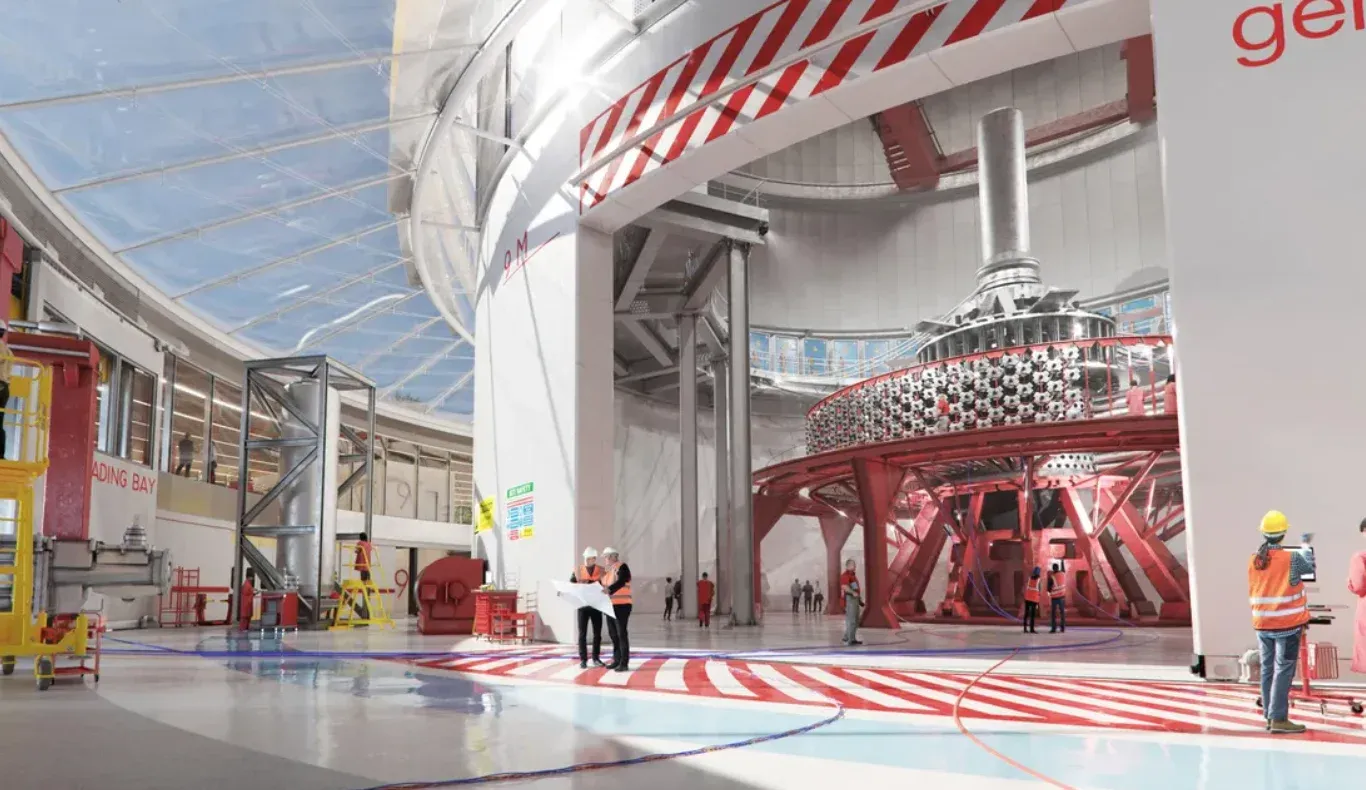
General Fusion, based in British Columbia, advanced work on its fusion-energy demonstration system using magnetized-target fusion.
Why it mattered: If successful, it would give Canada a foothold in next-generation clean-energy innovation beyond batteries and renewables.
What makes these breakthroughs truly impactful isn’t just the technology itself, it’s the infrastructure, the scalability, and the vision that will shape the next decade.
AI that can work alongside humans, energy systems that can power entire economies more sustainably, and robotics that finally perform real-world tasks reliably: these aren’t sci-fi dreams anymore.
They’re here, and they set the stage for faster, smarter, and more connected innovations in 2026 and beyond.