
Choosing between cloud and on premise VoIP systems is a critical decision for businesses aiming to enhance their communication infrastructure.
Each option offers unique benefits and challenges, and the right choice depends on your organization’s needs, budget, and long-term goals.
Let’s explore the key differences to help you decide which solution suits your business best.
Cloud VoIP
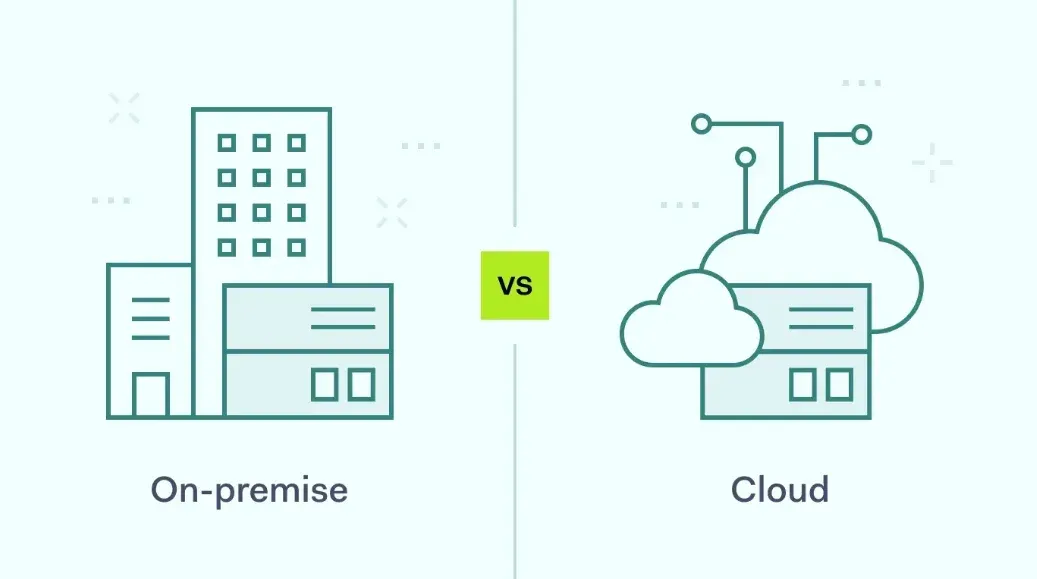
Cloud VoIP, also known as hosted VoIP, operates through the internet and is managed by a third-party provider. It eliminates the need for on-site hardware and offers flexibility and scalability.
Advantages:
- Cost-Effective: No upfront investment in hardware; pay-as-you-go pricing.
- Scalable: Easily add or remove users as your business grows.
- Remote Accessibility: Access the system from anywhere with an internet connection.
- Automatic Updates: The provider handles software updates and maintenance.
Considerations:
- Internet Dependency: Requires a stable and high-speed internet connection.
- Recurring Costs: Monthly subscription fees can add up over time.
- Limited Control: Relies on the provider for system management and customization.
On-Premise VoIP
On-premise VoIP systems are hosted within your organization’s physical location and managed by your IT team. This option provides greater control and customization but requires significant resources.
Advantages:
- Full Control: Complete ownership of the system, allowing for tailored configurations.
- One-Time Investment: Initial hardware costs, with minimal recurring expenses.
- Enhanced Security: Data remains on-site, reducing reliance on external providers.
Considerations:
- Higher Upfront Costs: Requires investment in hardware, installation, and maintenance.
- Limited Scalability: Expanding the system can be time-consuming and costly.
- Ongoing Maintenance: Your IT team must handle updates, troubleshooting, and repairs.
Key Factors to Consider
When deciding between cloud and on-premise VoIP, evaluate the following:
1. Budget: Cloud VoIP minimizes upfront costs, while on-premise requires a larger initial investment.
2. Scalability: Cloud systems are ideal for growing businesses, whereas on-premise systems may struggle to scale.
3. IT Resources: On-premise systems demand a skilled IT team, while cloud solutions offload maintenance to the provider.
4. Accessibility: Cloud VoIP supports remote work, making it a better fit for distributed teams.
5. Security Needs: On-premise systems offer greater control over data security, while cloud providers implement robust encryption and compliance measures.
The choice between cloud and on-premise VoIP depends on your business priorities. Cloud VoIP is ideal for organizations seeking flexibility, remote accessibility, and minimal maintenance.
On the other hand, on-premise VoIP suits businesses that prioritize control, security, and long-term cost savings. By carefully assessing your needs and resources, you can select the VoIP system that aligns with your goals and ensures seamless communication.